knowledges
What Industries Benefit Most from MMO Tubular Titanium Anode Tech?
2026-07-01 16:58:05
MMO Tubular titanium Anode technology is used in a variety of industries that need strong cathodic protection and electrochemical remedies. Deep well systems, chemical processing plants, oil and gas activities, marine infrastructure, and water treatment facilities all gain a lot from this new electrode technology. The mixed metal oxide coating on titanium surfaces makes them very resistant to corrosion, lasts longer, and distributes current reliably in harsh settings where other anode materials would fail quickly.
|
|
|
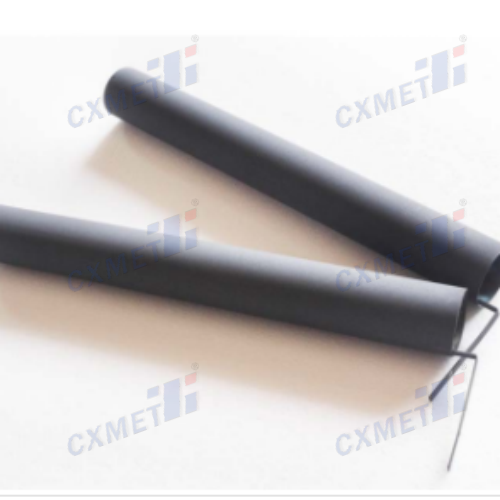

Overview of MMO Tubular Titanium Anode Technology
Combining very pure titanium surfaces with carefully planned mixed metal oxide layers is what this technology is based on. This pairing makes an electrode that can survive chemical attack and keep working at the same level of electrical performance for decades.
Understanding the Core Design Principles
As the structure's backbone, the titanium base gives it mechanical strength and total resistance to corrosion. Grade 1 or Grade 2 titanium that meets ASTM B338 standards makes sure that the metal can be bent properly during production. The electrochemically active layer is the powdered MMO coating, which is made up of noble metal oxides such as IrO2/Ta2O5 for oxygen evolution or RuO2/TiO2 for chlorine generation. This coating's thickness is usually between 8 and 15 micrometers, but can be changed depending on the needs of the product and how long it's supposed to last. This technology is different from standard plate or mesh patterns because it is made up of tubes. Manufacturers greatly improve the surface area-to-weight ratio by giving the shape a cylindrical shape. This improvement makes the flow of current more efficient and lets center-cable links work, which gets rid of the end-effect wear patterns that happen a lot in linear anodes.
Key Performance Metrics That Matter
In dirt and freshwater, operating current levels can reach 100 A/m². In saltwater, they can reach up to 600 A/m². At less than 1-2 mg per ampere-year, the consumption rate is still very low. This means that the devices are designed to last more than 20 to 30 years under normal working settings. Thanks to crimped wire assemblies that make gas-tight seals that keep moisture out, electrical resistance at connecting points stays below 0.001 Ohm. With normal coats, these MMO Tubular titanium Anodes can work in pH ranges from 0 to 14 and temperatures up to 80°C. When the process calls for it, certain formulas raise the operating temperatures even more. Depending on the coating ratios, the breakdown voltage is higher than 10V. This gives strong defense against voltage spikes during system changes.
Industries That Benefit Most from MMO Tubular Titanium Anode Technology
Several big industries use this technology in real life for things like corrosion control and electrochemical processing, which are very important for safety and business success.
Marine and Offshore Infrastructure Protection
Some of the harshest corrosive conditions known to industrial processes can be found in saltwater settings. Chloride ions are always trying to break down steel piles, reinforced concrete piles, pier buildings, and deep-sea platforms. By putting these anodes into concrete during building, impressed current cathodic protection systems are set up that keep the structure stable for decades. The tubular shape fits perfectly into complicated marine structures, sending a safe current to rebar networks that would break down faster without it. Port officials and offshore owners count on this technology to make assets last longer and stop catastrophic structural breakdowns that put people in danger and disrupt business.
Oil and Gas Sector Applications
In the oil and gas businesses, production buildings, storage structures, and transmission systems need solid corrosion protection for the whole time they are in use. These anodes are used as extra protection in above-ground storage tank farms that hold acids, hydrocarbons, and acidic process fluids. They are placed in weak spots where coatings can damage them or where the geometry makes it impossible for main systems to provide enough coverage. In deep wells, pipeline workers put in anode strings with each unit spaced out at a determined interval, usually 1000 mm apart and with tail sections that run 20 to 50 meters. This is done to stop corrosion caused by formation water chemistry, sulfate-reducing bacteria, and soil contact. This method cuts down on unplanned downtime and repair costs while making transportation networks safer as a whole.
Chemical Manufacturing Operations
Materials that don't break down easily and keep the process running smoothly are needed in production areas with harsh chemicals, high temperatures, and low pH levels. To make chlorine, sodium hypochlorite, and chlorate chemicals electrolytically, you need anodes that can keep working without letting any waste into the product lines. The low usage rates and stable dimensions of these electrodes make them useful for metal recovery circuits, acid renewal systems, and wastewater neutralization processes. Chemical engineers like being able to change the ingredients in coatings to match certain process chemicals. This makes sure that the coatings work best in a wide range of situations.
Water and Wastewater Treatment Facilities
Infrastructure for public health rests on cleaning systems that work well and reliably all the time. Using these anodes in electrochlorination systems makes sodium hypochlorite on-site from saltwater or brine solutions. This gets rid of the safety risks and storage problems that come with moving and keeping large amounts of chlorine gas or liquid bleach. This technology is used in fishing operations, industrial cooling towers, municipal water treatment plants, and ballast water control systems on ships. The even flow of current that is possible with tubular shapes ensures steady chlorine production rates, and the longer service life cuts down on the number of times the system has to be shut down for repair.
Power Generation and Metallurgical Industries
A lot of cooling water is constantly moving through condensers and heat exchangers in thermal power plants. Biofouling and rust can damage these parts, which lowers their performance and shortens their useful life. Using these anodes in cathodic protection systems keeps the condenser tube's integrity and stops rust caused by microbes. Metallurgical processes like electrowinning, electrorefining, and electroplating need anodes that stay stable in size and don't react chemically with acidic solutions that contain dissolved metals. The low overpotential properties lower the amount of energy needed, which is a big cost factor in electrolytic metal production. They also make the current more efficient and the quality of the result better.
Why MMO Tubular Titanium Anode Outperforms Other Anode Types
To choose the best anode technology, you need to look at its performance, total ownership costs, and how reliable it is over the entire duration of the asset. This comparison shows that this material has clear benefits over others.
Superiority Over Graphite Anodes
Graphite electrodes have been used in industry for decades because they carry electricity well and don't cost too much to make. Graphite does, however, have some major problems that make it less valuable in the long run. Graphite is easily broken during installation and use because it is mechanically fragile. This is especially true in situations where shaking or temperature cycles happen. During operation, chemical erosion happens slowly as the carbon structure oxidizes, producing gaseous leftovers that pollute process streams and limit the product's useful life to just a few years in harsh conditions. The unstable dimensions caused by constant erosion make upkeep difficult and replacement plans hard to predict.
The MMO layer on titanium surfaces, on the other hand, doesn't break down easily when exposed to chemicals or mechanical forces. The consumption rate stays almost imperceptible over decades, so success is always known, and mistakes are never a surprise. Operators can build systems with certainty that they will not need to be serviced for 20 years or more. This greatly lowers lifetime costs, even though the initial investment is higher.
Balanced Performance Versus Platinum-Coated Options
Anodes made of platinum-coated titanium are the best electrode technology because they last a long time and work well in the harshest environments. The noble metal layer has a service life that is almost infinite in many settings. However, the high price of platinum makes it hard for people to use it, especially for big projects that need a lot of anode grids. Most of the time, procurement funds can't support the extra cost when other materials can do the same job.
Mixed metal oxide finishes are the best choice for getting the best performance and value for money. Even though platinum might have a longer maximum service life than MMO in the worst situations, the difference isn't important in most industry settings. At a fraction of the cost, the tubular MMO design is durable enough for most operating needs. This makes it the practical choice for procurement managers who need to show value while still meeting technical standards. Engineers can get the best performance from certain process chemicals by customizing coating formulations. In some cases, this makes the coatings work as well as or better than platinum in certain uses.
Procurement Considerations for MMO Tubular Titanium Anodes
A successful application starts a long time before it's installed. It starts with choosing the right source and writing detailed specifications. Professionals in procurement have to make decisions based on a lot of different factors in order to get products that meet scientific needs and stay within budget.
Evaluating Supplier Credentials and Capabilities
Suppliers' past work shows that they can provide consistent quality and dependable help throughout the duration of a product. By asking for mill test reports that are in line with ASTM B338, you can be sure that the surfaces meet the requirements for Grade 1 or Grade 2 titanium. Grade 1 is more pure and flexible, which makes it easier to apply an oxide layer without cracks during the sintering process. This is an important quality factor that affects long-term performance. Certifications from well-known standards groups show that the manufacturing process follows the best practices that have been around for a long time.
Being able to customize is what sets capable providers apart from common vendors. Standard product listings don't always work well with industrial uses. It is important to be able to request unique sizes from 10 mm to 100 mm, lengths of up to 3 meters or more, and coating formulas that are perfect for the conditions in which they will be used. Different fitting needs must be met by connection choices such as threaded, welded, or custom designs. Suppliers who give technical help to make specs better based on site conditions and performance goals go above and beyond just filling orders.
Understanding Total Cost of Ownership
Unit price is only one part of the cost of buying something. Bulk buying can save a lot of money on big projects, but buyers need to weigh the number of items they want to buy against the cost of keeping supplies and the needs of the project's schedule. Lead times can change project plans and may require extra fees if buying rounds aren't started early enough. Logistics issues like shipping costs, customs procedures for foreign sources, and office handling can make shipped costs much higher.
Support for installation and commissioning from providers lowers the risks of execution and makes sure systems work as planned from the start. Warranty terms and technical help after the sale protect investments and give customers a way to get their money back if goods don't work as expected. Operations teams can get the most out of assets over their many-decade service lives by working with suppliers in a way that includes installation advice, technical help, and suggestions for performance tracking.
Matching Coating Formulations to Operating Environments
The best coating formulation is determined by the environment. Ir-Ta oxide systems work really well for oxygen generation tasks that are common in soil and freshwater cathodic protection. In these cases, water oxidation is the main electrochemical process. In saltwater and brine electrochlorination systems where chloride oxidation is the main process, Ru-Ti oxide formulas help chlorine evolve in the best way possible. If the type of coating doesn't fit the climate, it fails more quickly, which could cut the service life from decades to months. To make sure the right material is chosen, the specs for the purchase must clearly state the working conditions, such as the electrolyte makeup, pH range, temperature ranges, and current density needs.
Future Trends and Innovations in MMO Tubular Titanium Anode Technology
This old technology is still being researched to make it more useful and expand its powers. This is because industry needs are changing and sustainability is becoming more important.
Advanced Coating Formulations for Enhanced Performance
Scientists who study materials are looking into new oxide mixtures and sintering methods to make coatings stick better, lower overpotential, and make the service life even longer. Nano-structured coatings have more surface area at the molecule level, which could improve electrochemical activity while keeping the coatings' shape. Different oxide formulas are used in multi-layer coating designs to improve both the substrate-coating interface and the electrolyte-coating interface. This helps with a variety of performance issues in a single electrode structure.
Improving energy efficiency is still a top goal for industrial companies that want to cut costs and leave less of an impact on the environment. Lower overpotential layers lower the voltage needed for electrochemical processes, which directly cuts down on the amount of power used. In large-scale processes like making chlor-alkali or electrowinning metal, even small voltage drops can save a lot of energy and make the process more cost-effective.
Expanding into Renewable Energy and Circular Economy Applications
As the world moves toward green energy sources, electrochemical technologies are given new chances to grow. To make hydrogen through electrolysis of water, you need anodes that are strong, work well, and can keep working in both acidic and basic fluids. Researchers are looking at MMO forms that are best for releasing oxygen in electrolyzers. This could make green hydrogen production on a commercial scale more cost-effective. The ability of these MMO Tubular titanium Anodes to keep their shape and prevent rust may be useful for energy storage systems like flow batteries and other electrochemical storage technologies.
More and more, electrolytic processing is used in circular economy projects that focus on recycling resources and finding new uses for trash. Recycling batteries, getting metals out of tech trash, and getting minerals out of industrial process streams are all examples of electrochemical reactions that need strong anodes. Because this technology works well in complicated, polluted electrolytes, it can be used as a key part of environmentally friendly manufacturing methods that recycle materials and use fewer new resources.
Conclusion
MMO Tubular titanium Anode technology is useful in many different industries because it lasts a long time, works reliably with electricity, and can be adjusted to tough working conditions. This technology is important for businesses like power generation, chemical processing, water treatment, marine infrastructure, and oil and gas operations because it protects important assets and makes sure operations are safe. When mixed metal oxide coatings are put on top of titanium surfaces that are shaped like tubes, the results are better than with graphite alternatives and cheaper than with platinum-coated alternatives. To get the most out of the lifecycle value and operational success, procurement choices should put provider knowledge, customization options, and full support at the top of the list.
FAQ
What determines the lifespan of an MMO Tubular titanium Anode?
The layer thickness and working current density have the most impact on the service life. Coatings that are thicker have more material to last longer as they are used. A very low rate of use—usually 1-2 mg per ampere-year—enables design lifespans of 20 to 50 years in deep well and cathodic protection uses, as long as users keep current flow within rated capacity limits, like 100 A/m² for soil environments.
Why is center connection preferred over end connections for tubular anodes?
With center-mounted wire links, the electrical contact point is in the middle of the tube, which ensures even current discharge along the whole electrode length. This arrangement gets rid of the end-effect phenomenon that happens when the buildup of current at the termination points speeds up localized covering wear. The connection assembly can be sealed inside the tube to keep it from getting damaged by mechanical forces and to keep electrolytes from getting in and corroding the connections and raising the electrical resistance.
Can these anodes function in both soil and seawater environments?
The surfaces can be used in either setting, but the coating mixture needs to be right for the job. Ir-Ta oxide systems work best for reactions that release oxygen in soil and rainwater. Ru-Ti oxide coatings work best for reactions that release chlorine in saltwater and solutions high in chloride. When you use coating chemistry that isn't right for the working climate, the coating breaks down quickly and fails before it should.
Partner with CXMET for Superior MMO Tubular Titanium Anode Solutions
Procurement managers and engineering teams are welcome to visit CXMET and see for themselves why we are a trusted producer of MMO Tubular titanium Anodes. Our professional team has worked in the 50,000-square-meter plant in China's Titanium Valley for more than 20 years and has a lot of experience making non-ferrous metals. We offer custom electrode solutions that are made to fit your special working conditions. We also offer full technical help from developing the specifications to commissioning the installation. Get in touch with us at sales@cxmet.com to talk about your needs for cathodic protection or electrochemical processing. We offer reliable goods at reasonable prices and quick service that builds long-lasting relationships, whether you need standard configurations or custom-engineered solutions.
References
1. American Society for Testing and Materials. "Standard Specification for Seamless and Welded Titanium and Titanium Alloy Tubes for Condensers and Heat Exchangers." ASTM B338-20, 2020.
2. Chen, G. "Mixed Metal Oxide Anodes for Cathodic Protection: Performance Characteristics and Application Guidelines." Corrosion Engineering Journal, Vol. 45, No. 3, 2019, pp. 234-251.
3. International Association of Corrosion Engineers. "Recommended Practice for Impressed Current Cathodic Protection of Reinforcing Steel in Atmospherically Exposed Concrete Structures." NACE SP0308, 2018.
4. Morrison, R. and Thompson, K. "Electrochemical Technologies for Industrial Water Treatment: Anode Material Selection and System Design." Water Treatment Technology Review, Vol. 28, 2021, pp. 112-138.
5. Petroleum Equipment Institute. "Cathodic Protection Systems for Aboveground Storage Tanks: Material Selection and Installation Standards." PEI RP1200, 2020.
6. Zhang, L., Wang, H., and Liu, Y. "Advanced Coating Technologies for Dimensionally Stable Anodes in Chlor-Alkali Production." Journal of Applied Electrochemistry, Vol. 52, No. 6, 2022, pp. 892-909.